

Arteriovenous malformation (AVM) is a complex congenital vascular anomaly in which arterial blood flows directly into the venous system without passing through capillaries.
Veins cannot withstand this pressure, causing dilation, pain, ulceration, and, over time, the condition may lead to arterial bleeding. If left untreated, prolonged circulatory disruption can result in cardiovascular insufficiency, a severe systemic complication.
AVMs are congenital vascular malformations that form during fetal development but do not always manifest at birth. They have no specific location and can affect any part of the body: the face, limbs, or internal organs. AVMs in the facial region are particularly aggressive: they progress with age, alter facial features, and create significant physical and psychological challenges.
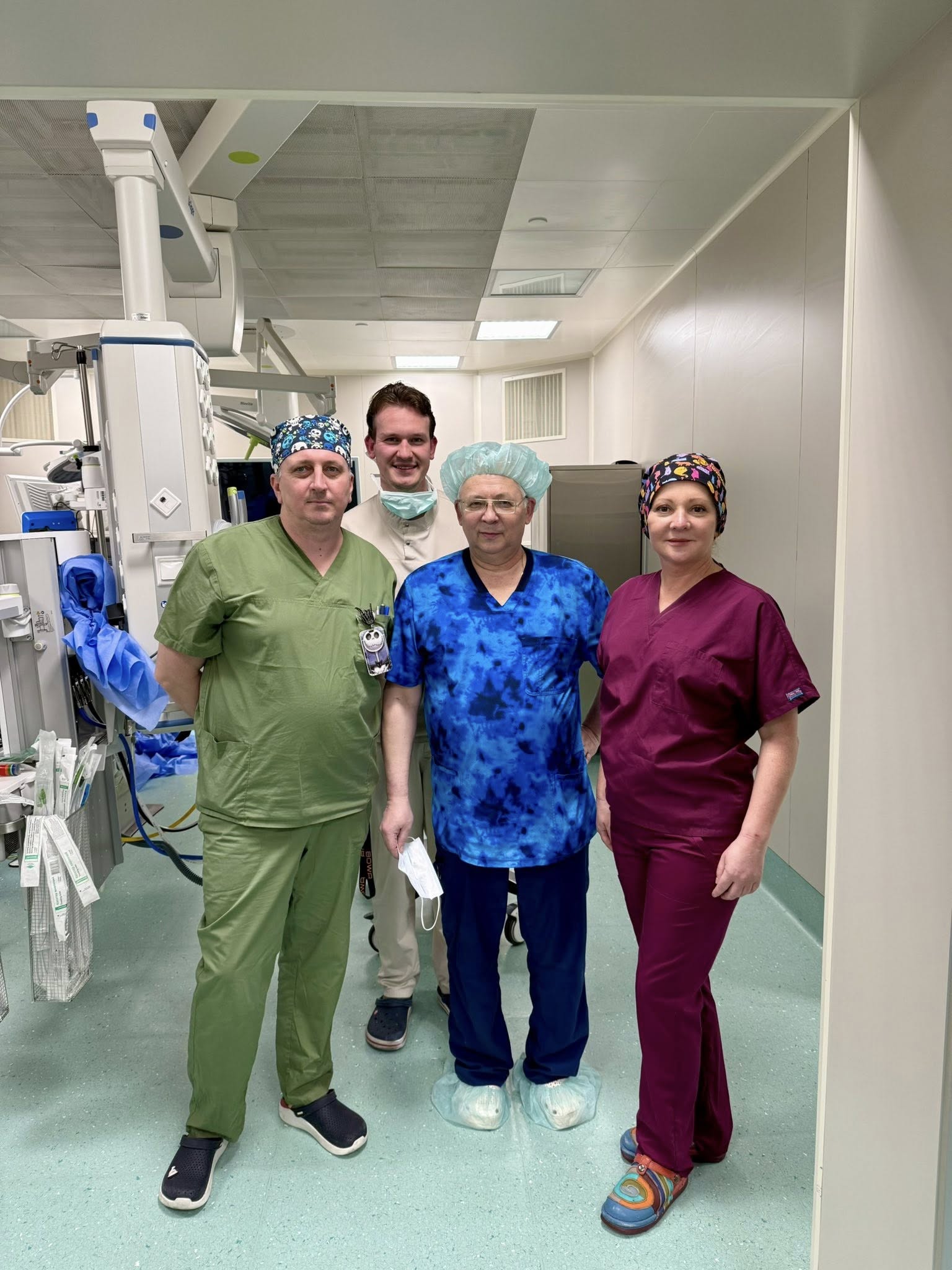
Most clinics do not have the capacity for comprehensive treatment and refer patients abroad. At Okhmatdyt, we perform these interventions in-house and handle the most complex cases.
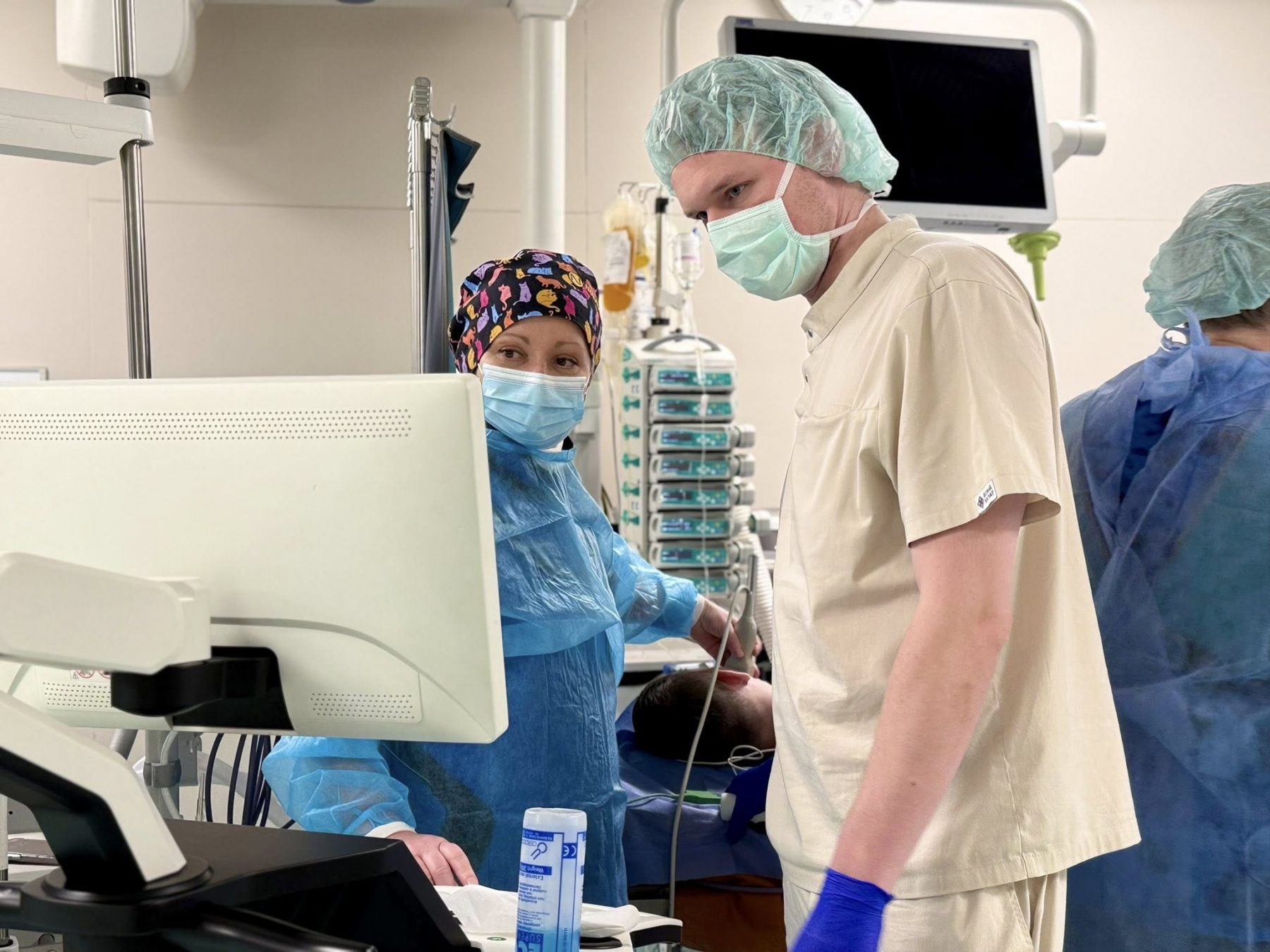
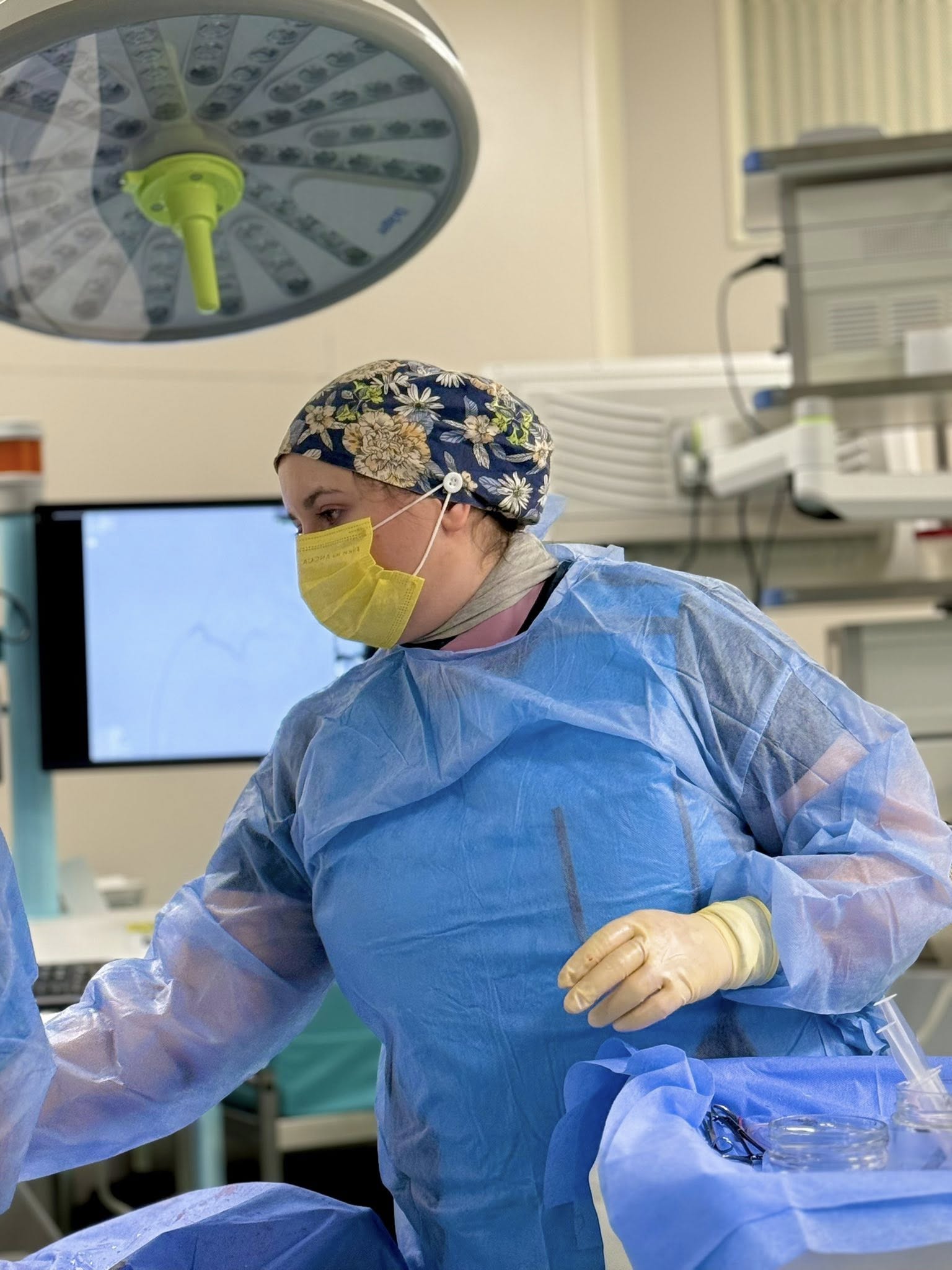
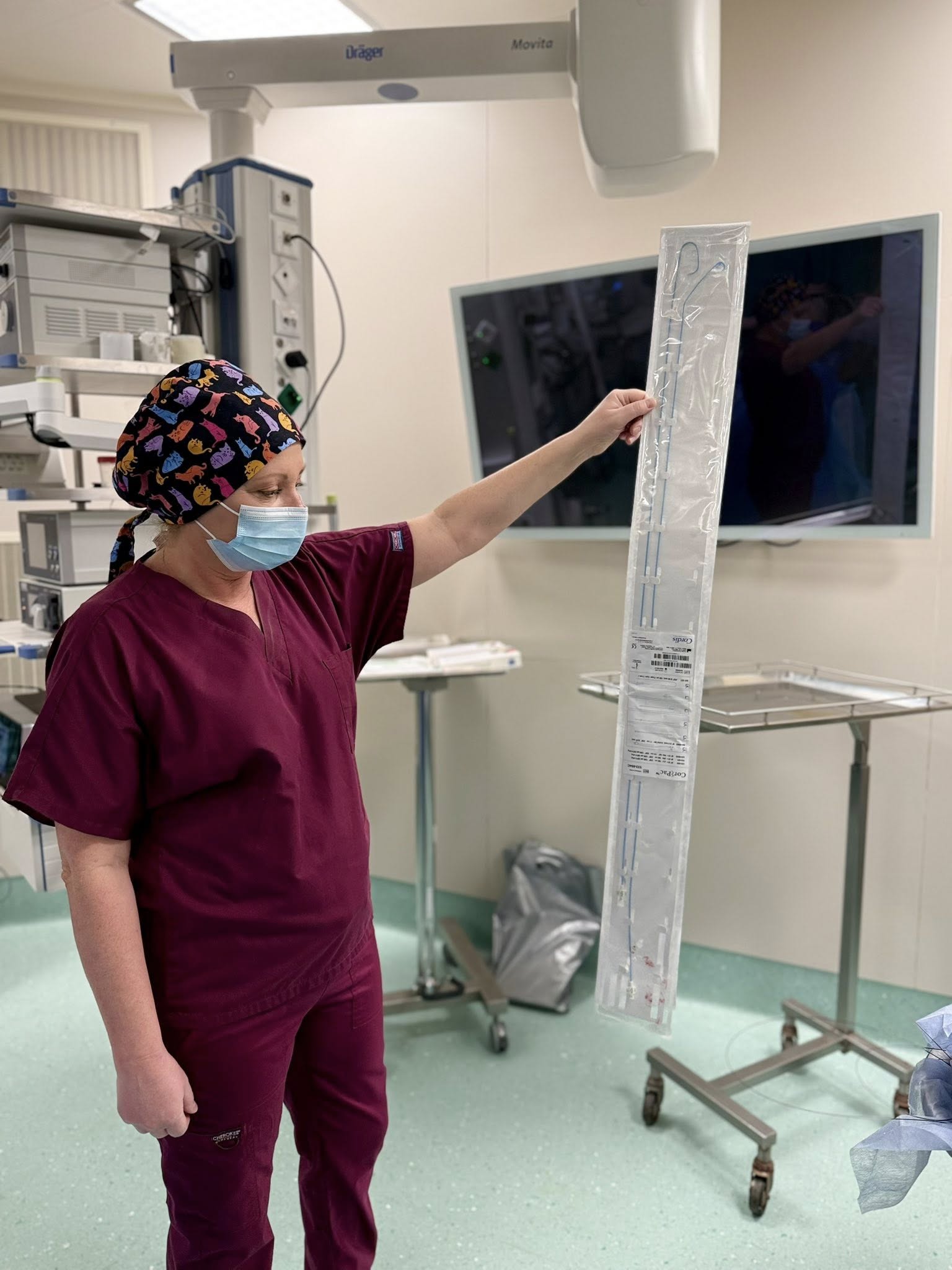
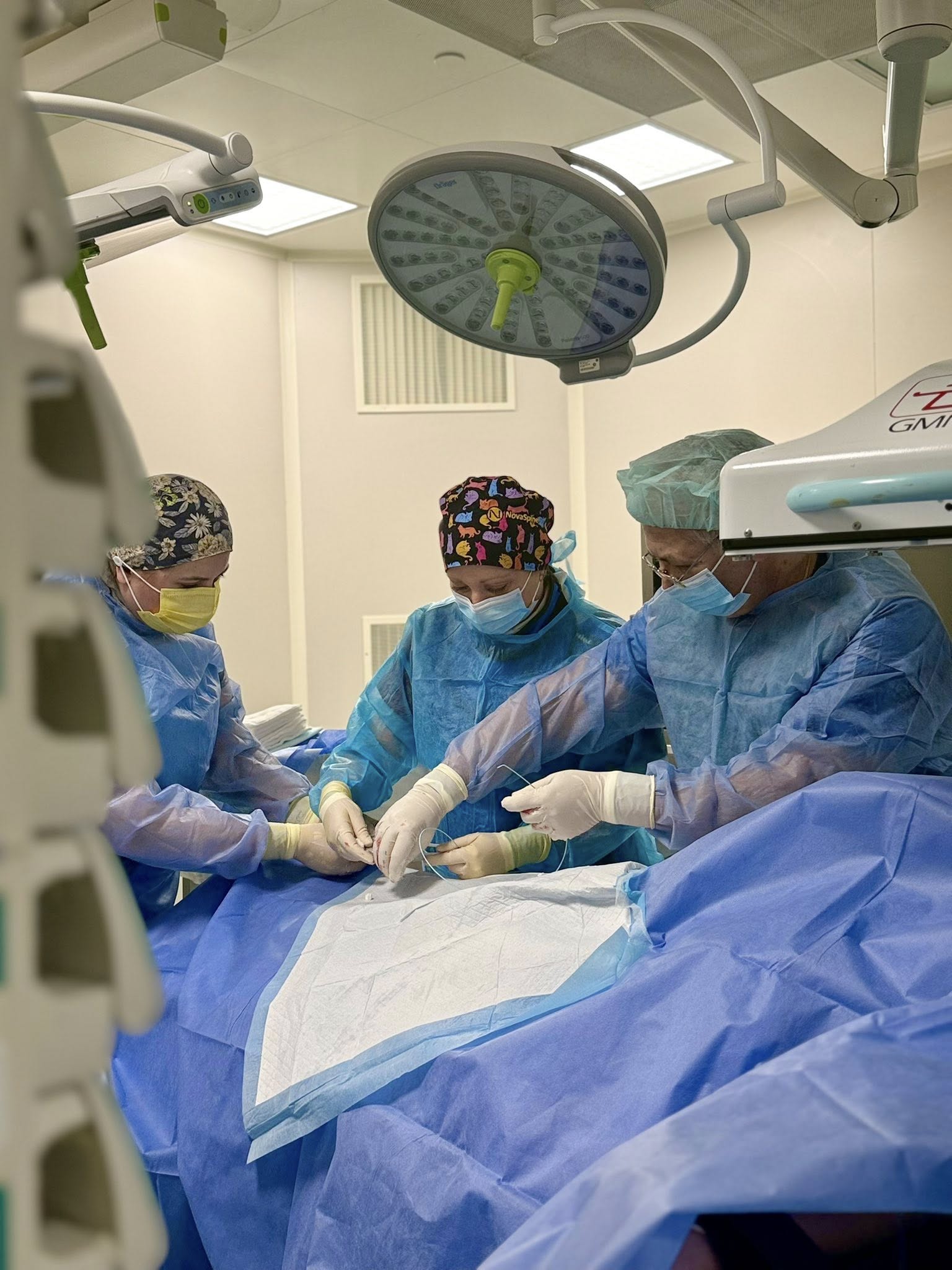
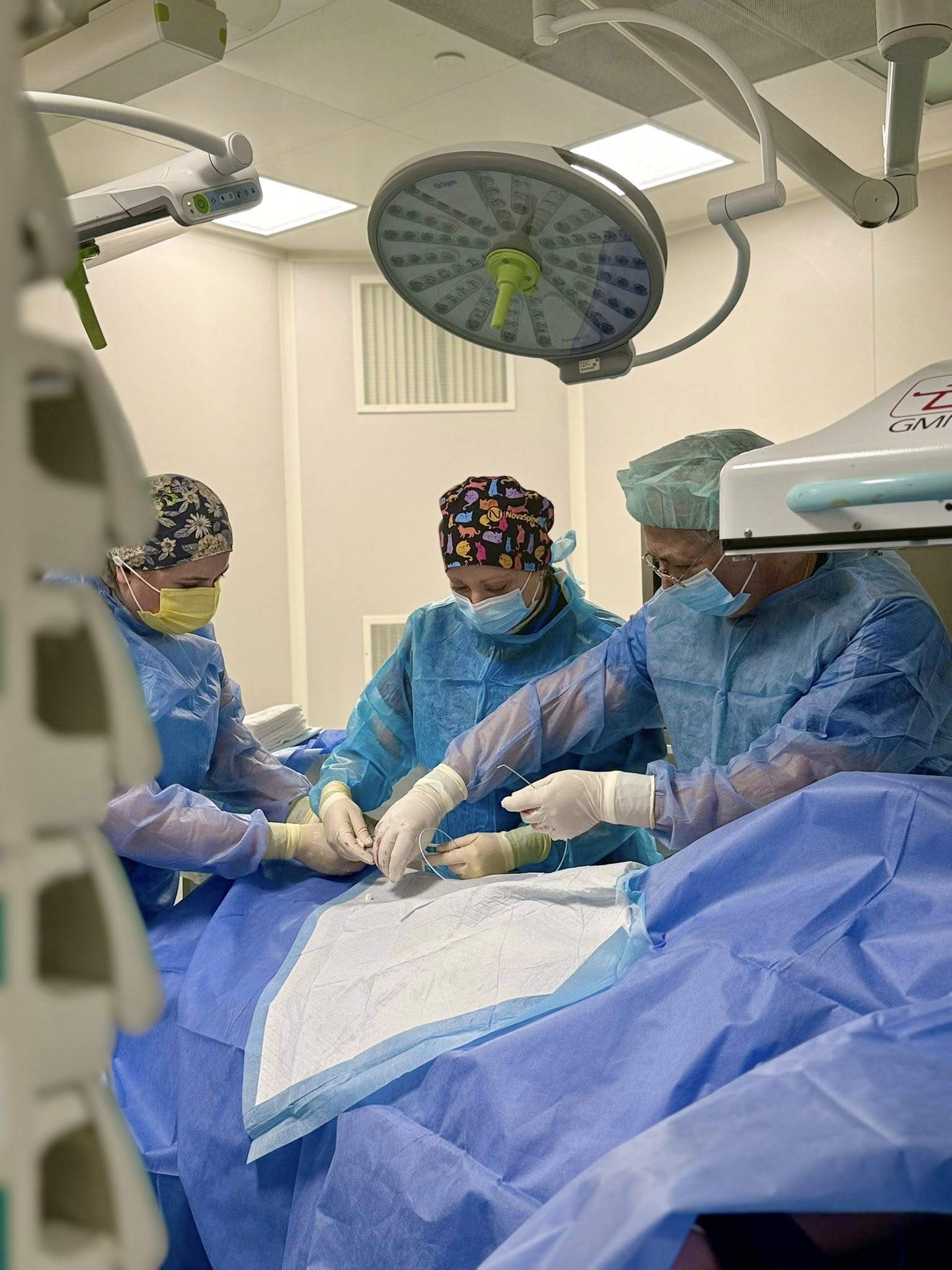
In this case, the patient had a facial AVM. The procedure was performed using endovascular surgery — through a tiny groin puncture, surgeons guided a catheter to the artery supplying the malformation and introduced embolizing materials. These materials blocked the pathological “shunt” between the artery and vein, stopped abnormal blood flow, and reduced stress on the venous system. No incisions were required — just a delicate, precise procedure requiring experience and advanced equipment.
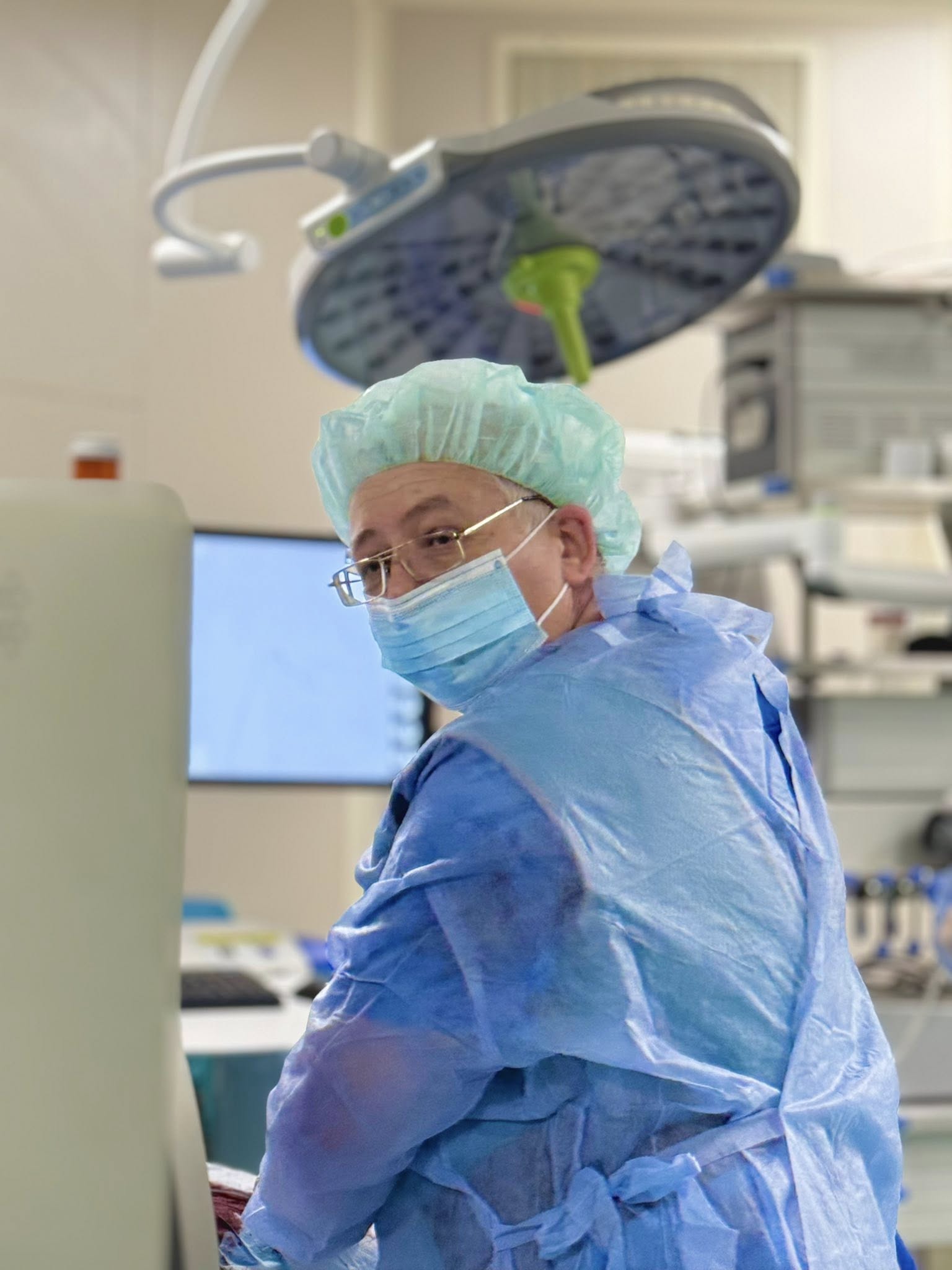
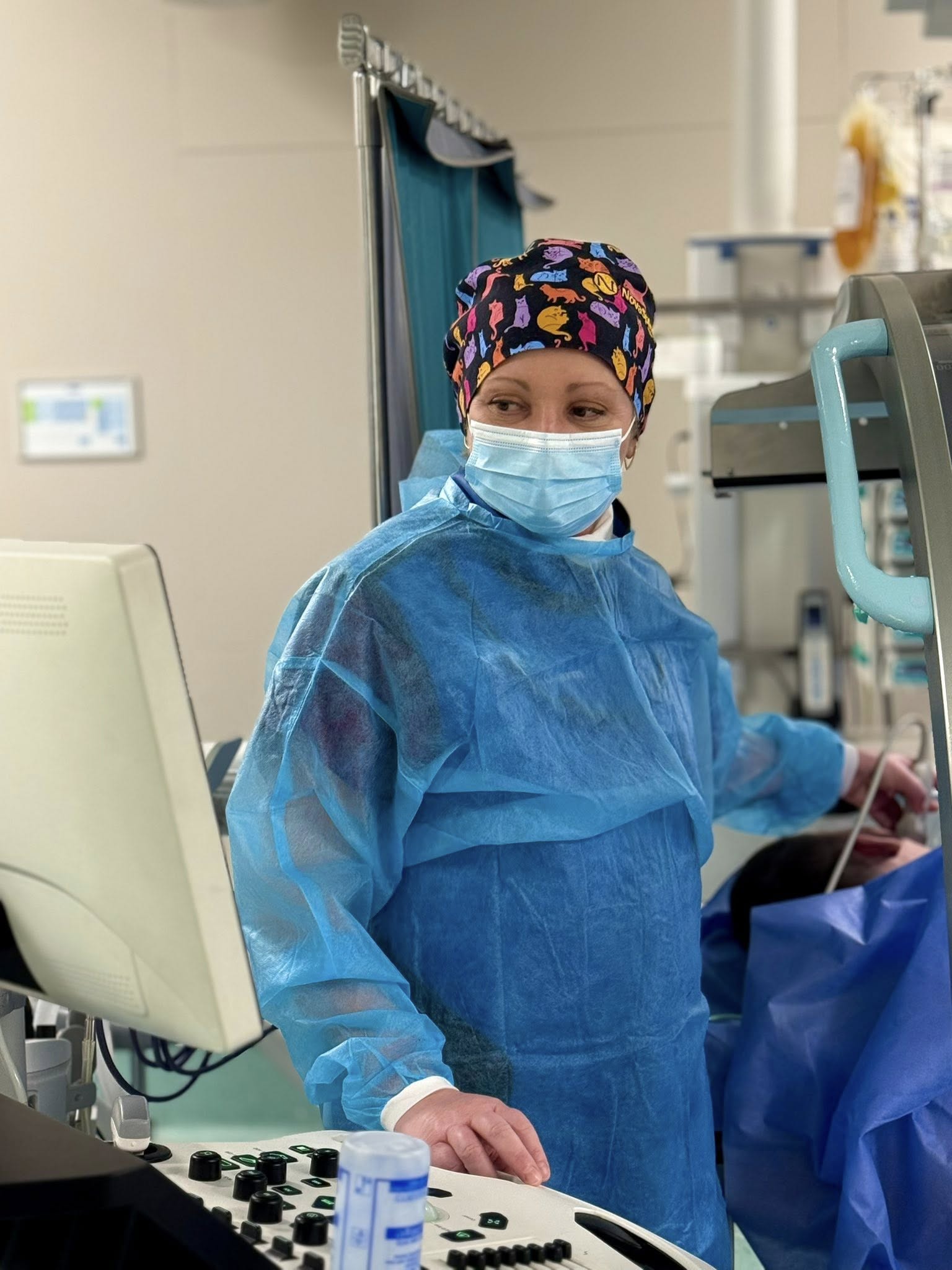
“Embolization does not always provide a complete solution — vessel occlusion can lead to ischemia and trigger the formation of new pathological vessels. That’s why AVM treatment at Okhmatdyt is always multimodal: we combine endovascular techniques, localized drug delivery under ultrasound guidance, surgical interventions, and targeted therapy. The latter can only be administered after identifying genetic changes within the malformation tissue — research performed in our medical genetics laboratory,” explains Professor Iryna Bensar, Head of the Pediatric Surgery Department at the O.O. Bogomolets National Medical University. “The uniqueness of Okhmatdyt is that the **entire patient pathway — from diagnosis to advanced treatment — is available in one place.”
AVMs are not permanently curable — most patients require repeat interventions throughout life, and we continue to monitor and treat them even after reaching adulthood.
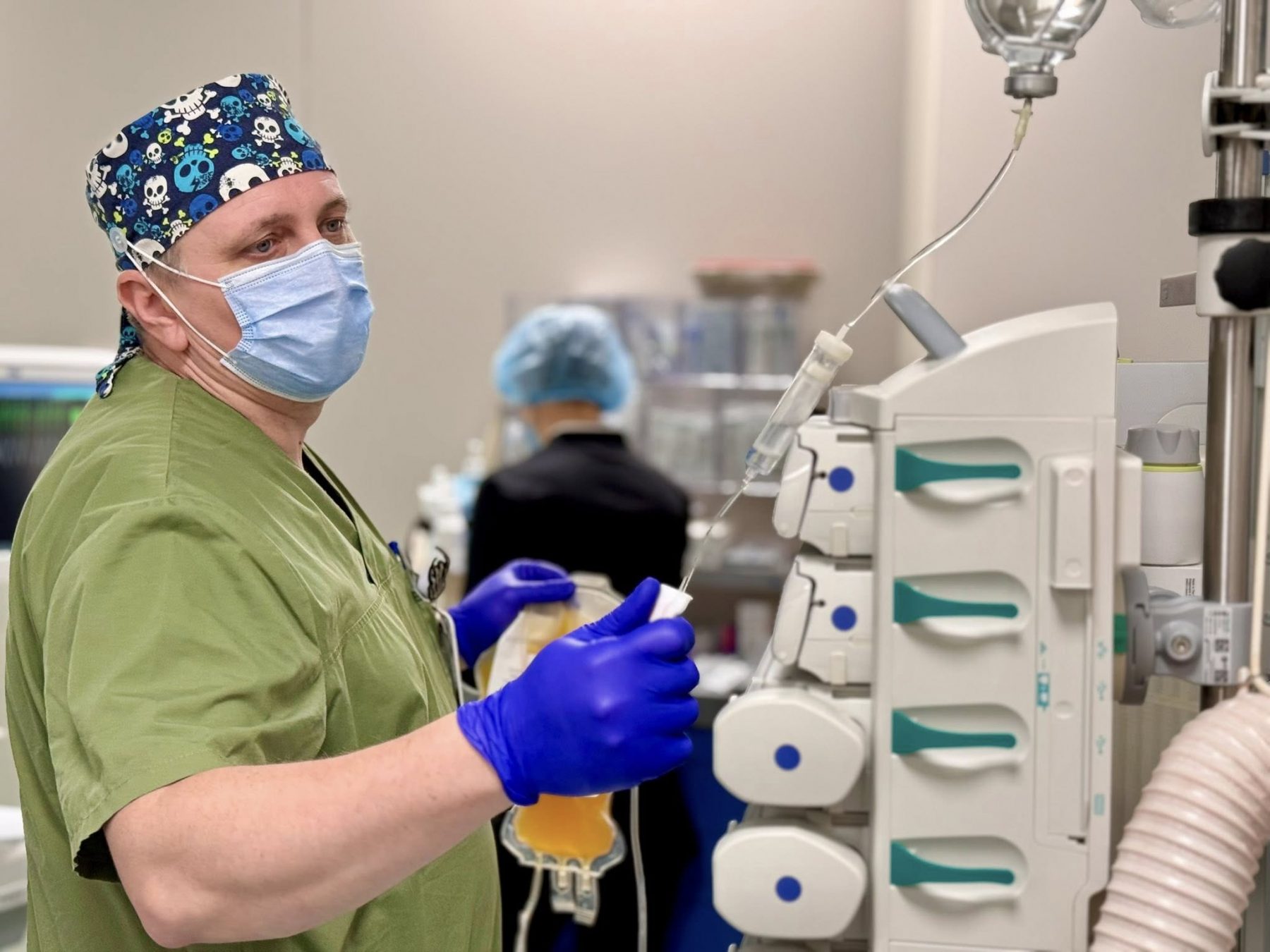
The role of anesthesiologists during these procedures is crucial. Patients have diverse medical conditions; in this case, the child had coagulation disorders, which increased the risk of bleeding and related critical events. Blood components were prepared in advance for replacement therapy during surgery. This work demands extreme focus and constant monitoring at all stages of the operation. What is usually done in leading international centers, we perform here at Okhmatdyt.
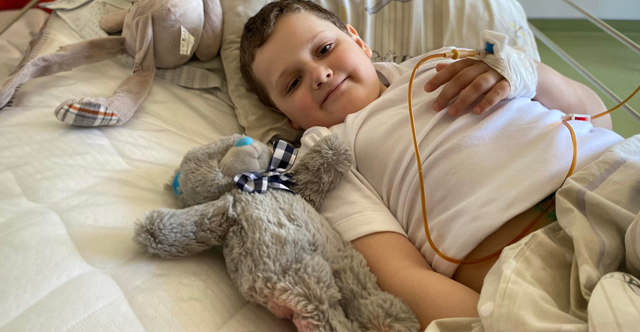
Children at Okhmatdyt receive highly specialized care close to home, supported by their family and a multidisciplinary team that monitors their condition dynamically and guides them through all stages of treatment.