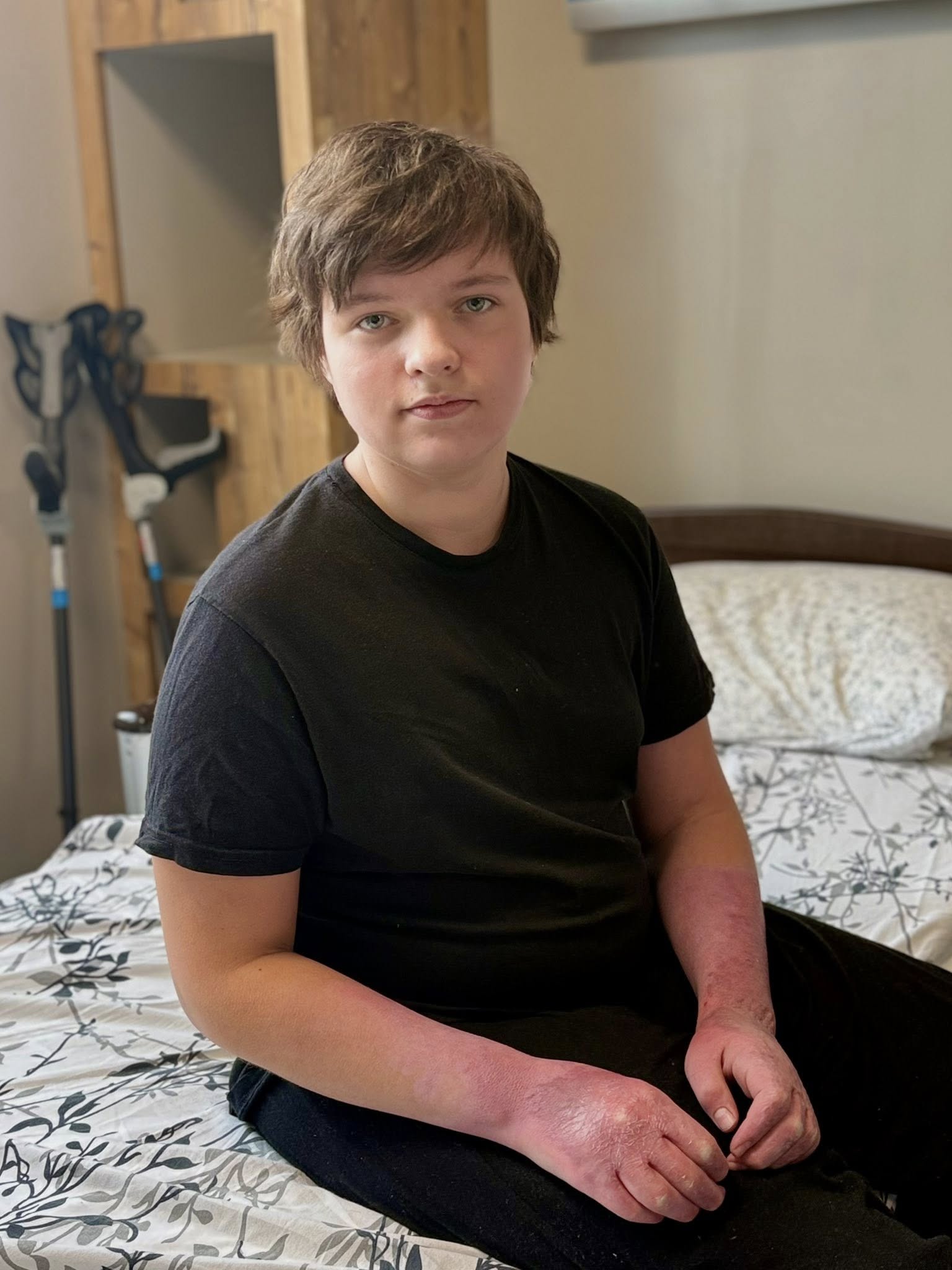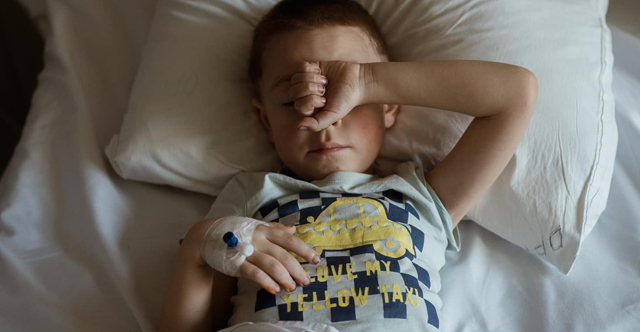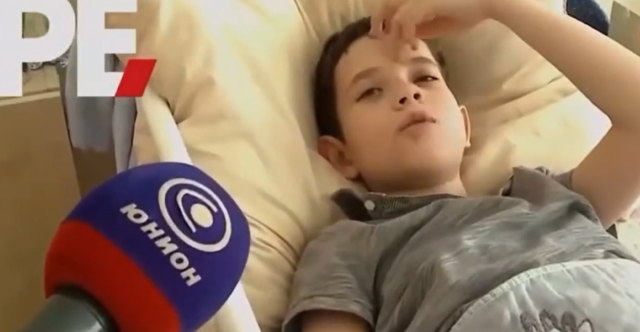


Thirteen-year-old Anton from Kyiv region was helping his father and grandfather paint the roof of their house one August day when tragedy struck. A spark from an angle grinder ignited paint in a barrel. When Anton bent down to see what was happening, an explosion occurred. All three were injured, but Anton suffered the most. Due to his synthetic clothing, the flames instantly engulfed his body.
The boy sustained burns over 40% of his body — arms, legs, and face. In critical condition, he was urgently admitted to the National Children’s Specialized Hospital “Okhmatdyt.”
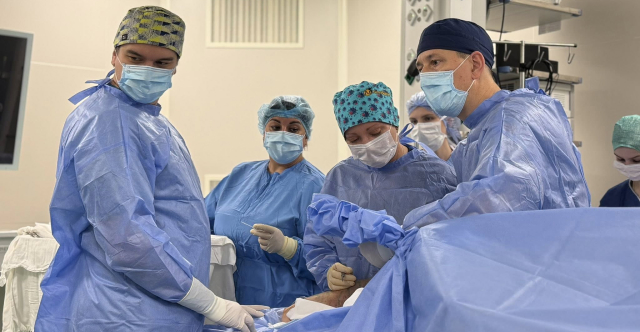
During the first days, doctors in the Intensive Care Unit fought to save his life. At the same time, the team from the Department of Plastic and Reconstructive Microsurgery began complex, staged treatment: removing nonviable tissue, cleaning wounds, and performing multiple skin grafts.
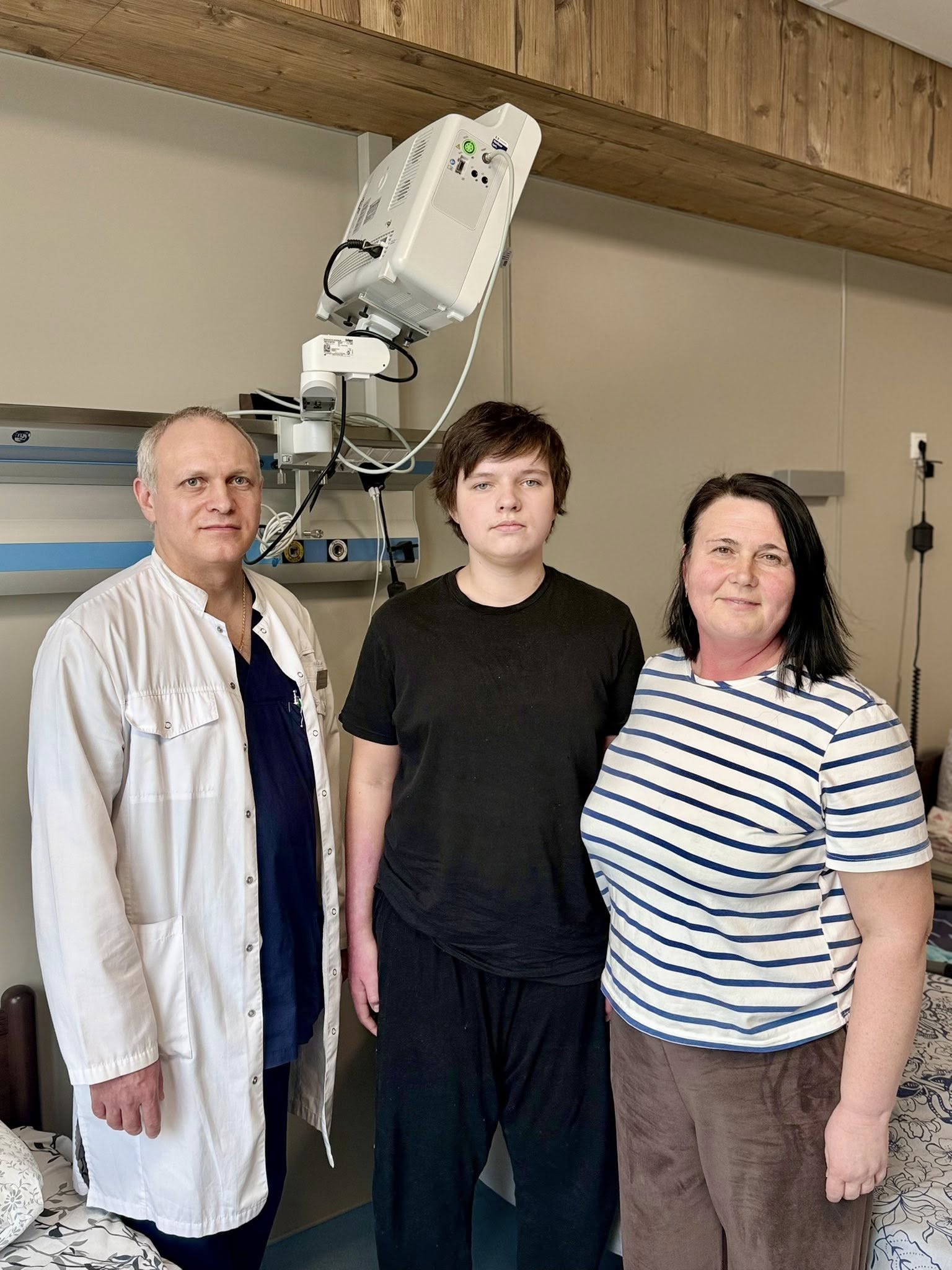
“When a child suffers extensive burns, the risk is not only to health but also to life. The first stage is the fight for survival in the ICU. At the same time, it is necessary to address the underlying threat: cleaning wounds and covering burned areas. For such patients, it’s not about long single surgeries, but a large number of them, because it’s impossible to cover extensive damage in one operation. We performed multiple autologous skin grafts, taking skin from the thighs and transplanting it to affected areas,” explained Valeriy Bovkun, Head of the Department of Plastic and Reconstructive Microsurgery.
Once Anton’s condition stabilized, he was transferred to the Plastic and Reconstructive Microsurgery Department, where the entire team — surgeons, microsurgeons, and maxillofacial specialists — worked on his recovery. Due to the impaired skin barrier, treatment was complicated by infections. Anton underwent dozens of surgeries and dressing changes under anesthesia to minimize pain. In total, over nearly five months of treatment, he had more than 40 surgical procedures.
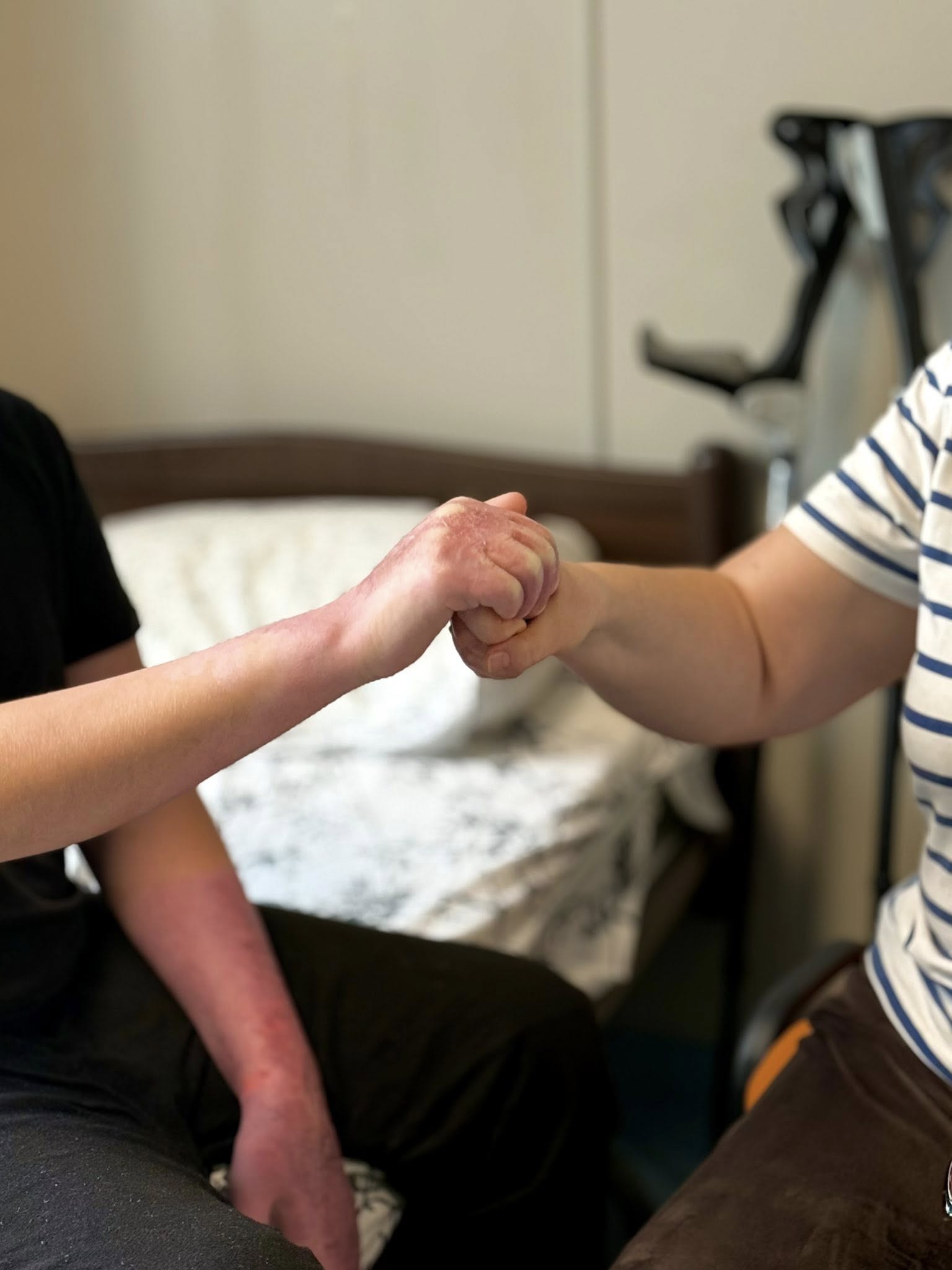
After his wounds healed, Anton was moved to the Acute Pediatric Rehabilitation Department. Because of prolonged treatment and pain, he initially could not fully move his arms and legs, having lost strength and endurance.
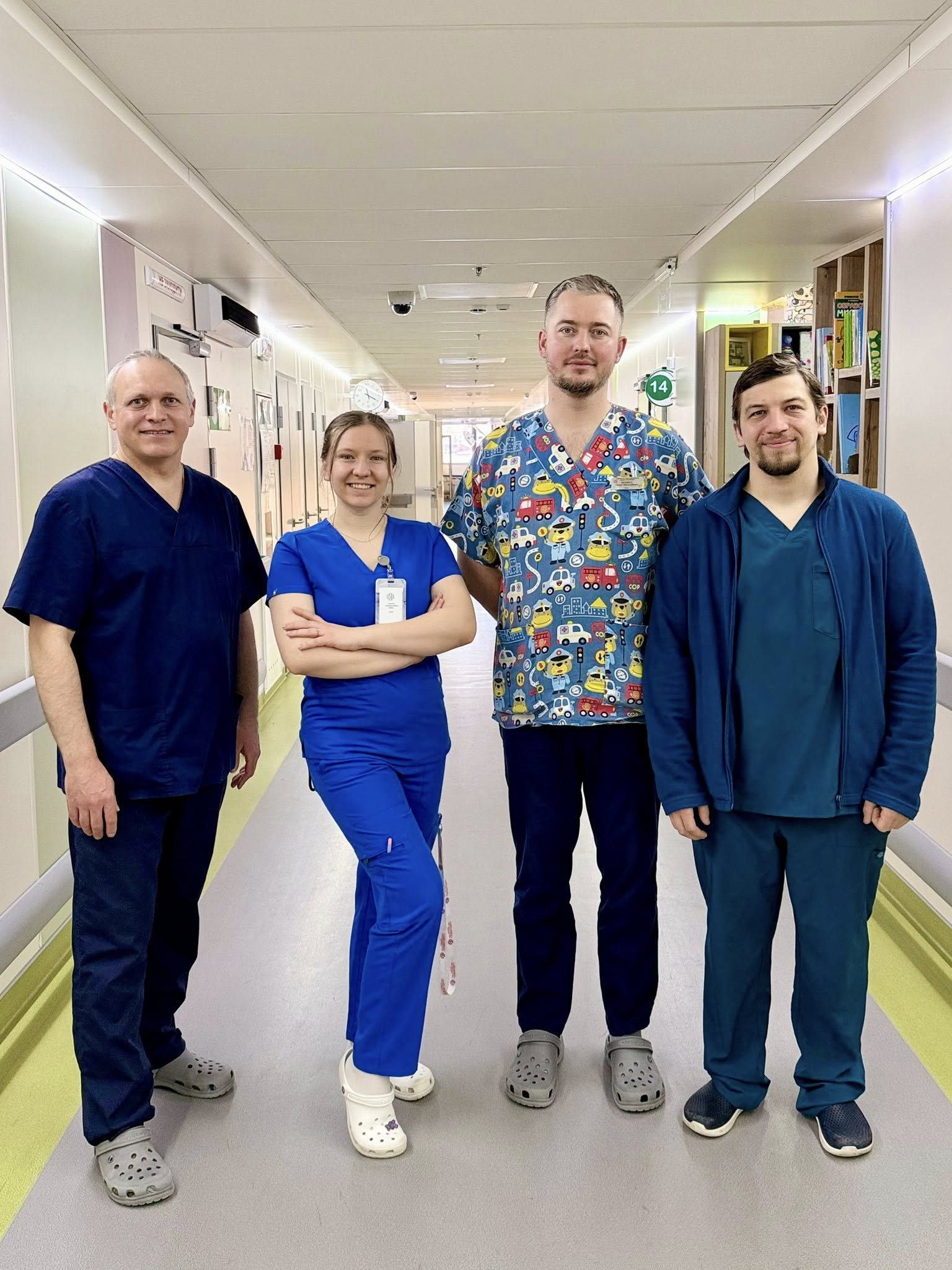
“We worked with the scar tissue on his hands, gradually increasing range of motion, restoring active finger flexion, grip strength, and coordination. He also had low endurance, so he initially moved in a wheelchair. Thanks to physical rehabilitation and occupational therapy, he regained strength. Within a few weeks, he was able to use crutches, move longer distances, and perform basic self-care skills independently — holding objects, using utensils, and dressing himself,” explained occupational therapist Yelyzaveta Dzhaparidze and assistant therapist Serhiy Rohach.
Before the accident, Anton led an active life. He attended an arts school, played the violin and bayan, and sang in the choir. Music was an important part of his life and remains a key motivation for his recovery.
“We spent six months at Okhmatdyt — and it wasn’t just a team of specialists, it felt like one big family. They treated Anton as their own. Our pain was their pain, our small victories were shared victories. Every doctor, every nurse celebrated each step forward with us,” shared Anton’s mother, Tetiana.
Anton still requires ongoing rehabilitation and skin care. But his greatest wish — “to go home” — has come true. We congratulate him on his discharge and wish him a speedy recovery so he can return to normal life.
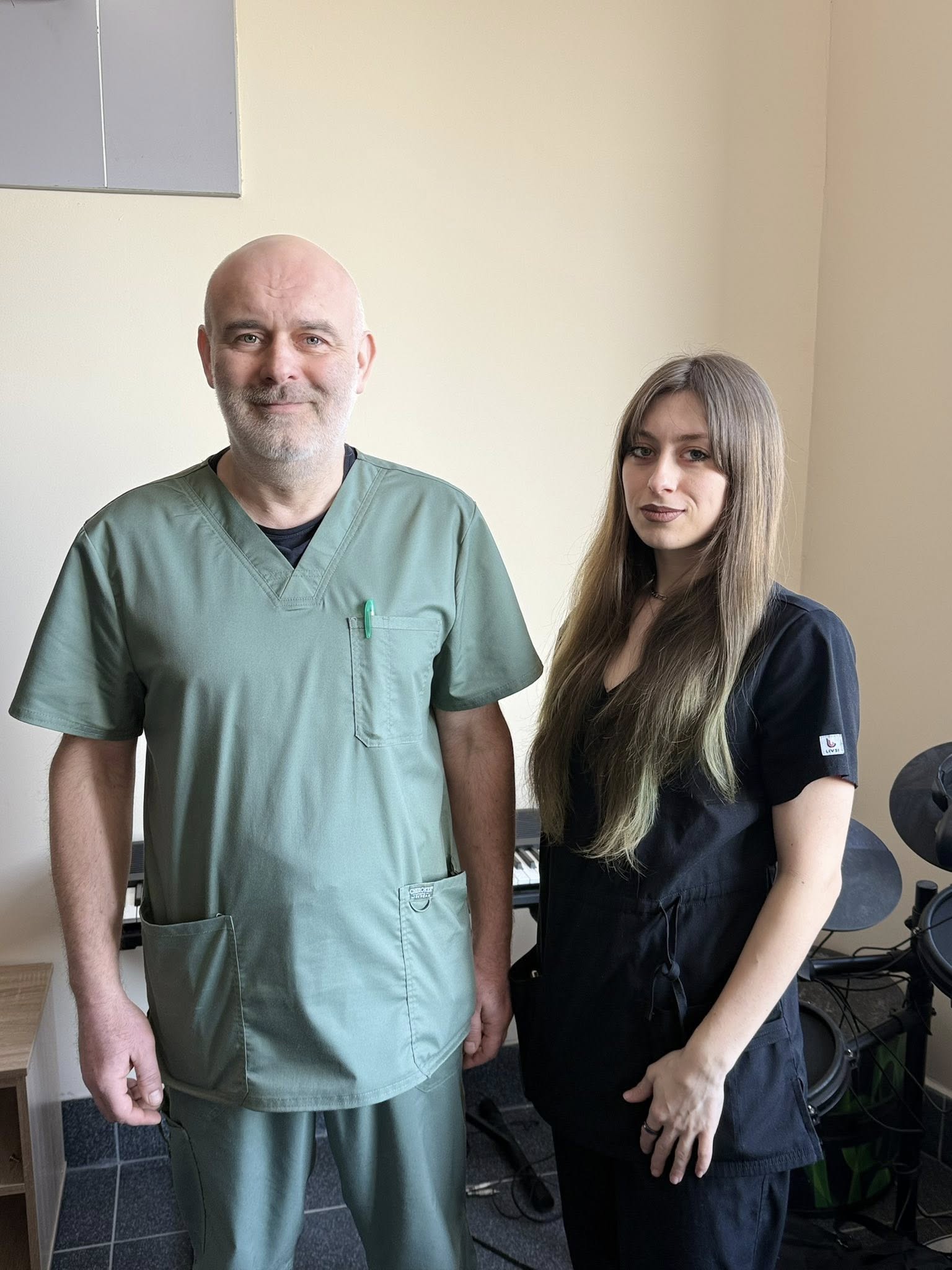
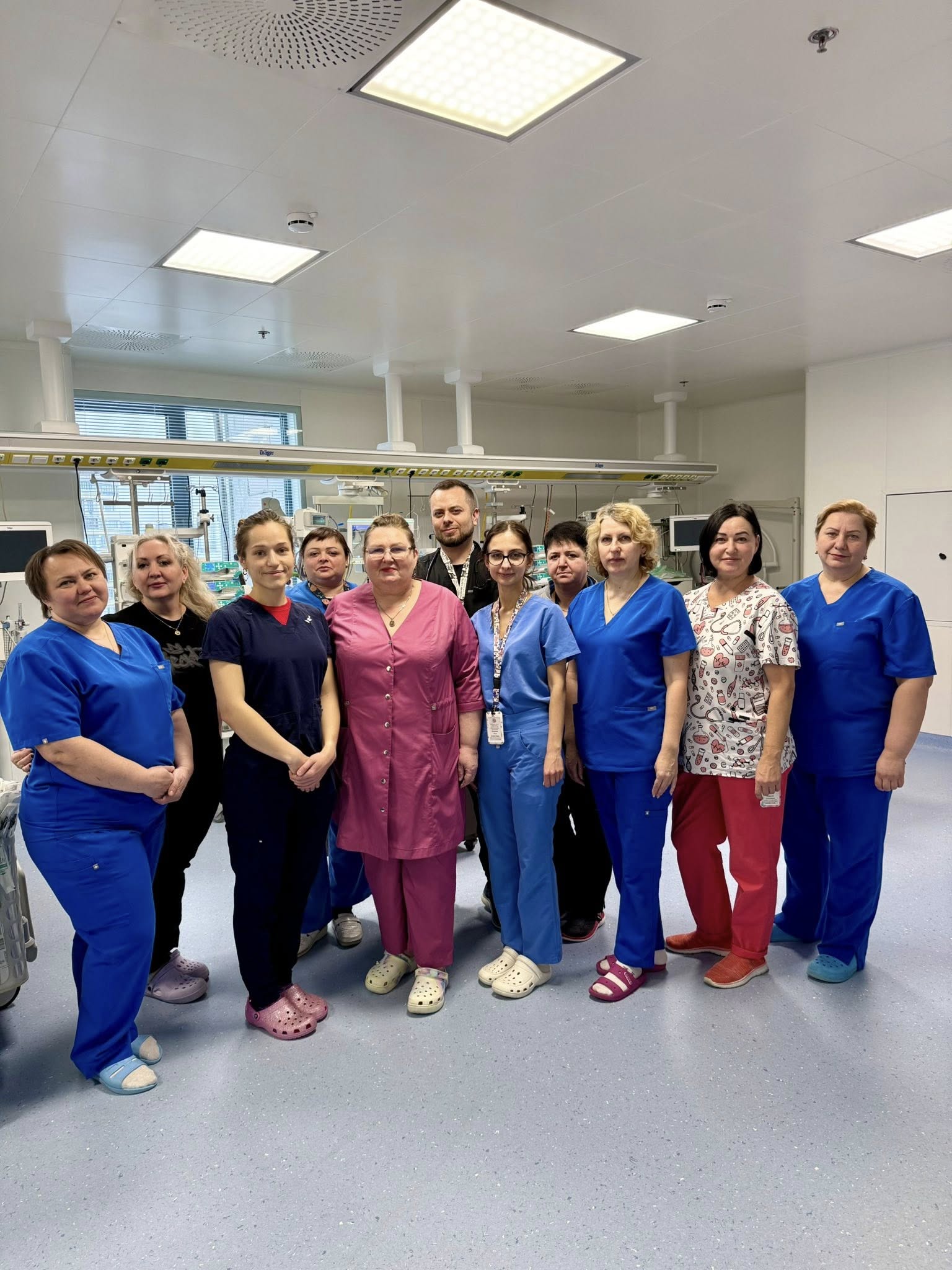
We thank the doctors of the Intensive Care Unit, the Department of Plastic and Reconstructive Microsurgery, the Acute Pediatric Rehabilitation Department, as well as nurses, junior medical staff, psychologists, and the entire multidisciplinary team at Okhmatdyt, who fight daily for the lives and recovery of our patients.